
Office Relocation Hacks: Smooth Waste Management for Tottenham Businesses
Table of Contents
- 1. Why Waste Management Matters During an Office Relocation?
- 2. Conduct a Thorough Office Furniture Audit Before the Move
- 3. Secure Document Disposal Should Never Be Overlooked
- 4. Proper E-Waste Disposal Is Essential for Modern Businesses
- 5. Avoid Skip Hire Delays in Busy Tottenham Commercial Areas
- 6. Reduce Downtime Through Strategic Clearance Scheduling
- 7. Sustainability Is Becoming a Major Priority for Office Relocations
- 8. Why Local Commercial Waste Specialists Make Relocations Easier
- 9. Planning an Office Move in Tottenham?
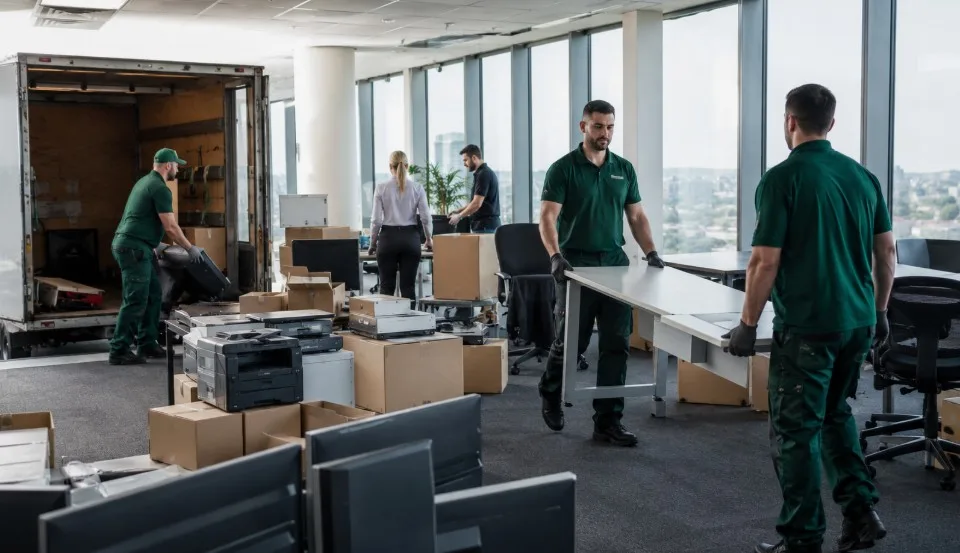
Relocating a business premises is often a sign of expansion, rebranding, or operational improvement. For many companies across Tottenham, moving into a new office or commercial unit creates exciting opportunities for growth.
Yet behind every successful office move is a carefully planned waste management strategy that prevents delays, avoids compliance risks, and keeps operations running smoothly.
From creative agencies relocating near Berol House to warehouses upgrading their logistics footprint in North London, commercial relocations can quickly become chaotic when unwanted furniture, electronic waste, and confidential paperwork begin piling up.
Many businesses focus heavily on internet transfers, office design, and staff coordination while overlooking the final clearance process. However, inefficient waste handling can lead to expensive lease penalties, moving delays, blocked access points, and even council enforcement action linked to improper disposal practices.
A structured commercial waste clearance plan helps businesses reduce downtime, lower transportation costs, and create a far more organised relocation process from start to finish.
Why Waste Management Matters During an Office Relocation?

Commercial premises naturally accumulate years of unused equipment, damaged furniture, outdated electronics, archive storage boxes, and miscellaneous office waste. During a relocation, businesses often discover they are moving far more unnecessary material than expected.
Transporting unwanted items to a new location increases removal costs, creates additional unpacking work, and wastes valuable office space in the new premises. More importantly, certain waste categories such as electronic equipment and confidential documents require specialist handling under UK regulations.
Businesses operating in Tottenham and surrounding North London areas must also remain mindful of local fly-tipping laws and commercial waste responsibilities. Leaving unwanted office waste outside premises without authorised collection can result in financial penalties and reputational damage.
The table below highlights some of the most common commercial relocation waste issues businesses face:
| Commercial Relocation Issue | Potential Impact on Business |
|---|---|
| Unwanted office furniture | Increased moving costs and clutter |
| Improper electronic disposal | GDPR and WEEE compliance risks |
| Delayed clearance schedules | Business downtime and operational disruption |
| Fly-tipping or illegal disposal | Council fines and legal liability |
| Poor recycling management | Environmental and reputational concerns |
Planning waste management early allows businesses to avoid these problems before moving day arrives.
Conduct a Thorough Office Furniture Audit Before the Move
One of the most effective relocation strategies is completing a detailed office furniture audit several weeks before the move takes place.
Rather than transporting everything automatically, businesses should evaluate every physical asset and determine whether it genuinely deserves a place in the new workspace.
Office furniture and equipment can generally be divided into three categories:
| Category | Description |
|---|---|
| Keep & Transfer | Furniture and equipment in good condition suitable for the new office |
| Donate or Sell | Items with resale or reuse value that are no longer needed |
| Clear & Recycle | Damaged, outdated, or unusable office materials |
This process helps reduce transport volume significantly while creating a cleaner and more organised relocation timeline.
Businesses commonly identify the following items for recycling or disposal during commercial moves:
- Broken office chairs
- Worn-out carpets
- Damaged filing cabinets
- Obsolete reception desks
- Old partition walls
- Unused shelving systems
By arranging a professional commercial clearance service in advance, companies can remove these items long before moving day arrives. This creates more space for packing while reducing stress for both staff and relocation contractors.
Secure Document Disposal Should Never Be Overlooked

Modern office relocations involve far more than simply removing furniture. Businesses also manage highly sensitive information including financial records, HR files, contracts, payroll documentation, and customer data.
Improper disposal of confidential paperwork creates major legal and compliance risks under UK GDPR regulations. Simply throwing old files into standard commercial bins is not a safe or compliant solution.
Businesses should instead implement a dedicated document destruction process during the relocation period.
A Tottenham-based operations manager recently explained the importance of proper disposal planning during an office move:
“We originally underestimated how many archived files we had stored over the years. Once we started packing, we realised secure destruction needed to happen before moving day otherwise we risked transporting unnecessary confidential data to the new office.”
Professional commercial clearance providers often support businesses through:
| Confidential Waste Service | Purpose |
|---|---|
| Secure document shredding | Permanent destruction of sensitive paperwork |
| Locked waste collection | Prevents unauthorised access to confidential files |
| GDPR-compliant disposal | Ensures legal data handling compliance |
| Archive clearance | Removes unnecessary long-term storage |
This approach protects business data while reducing the volume of material transported during the move.
Proper E-Waste Disposal Is Essential for Modern Businesses
Electronic waste has become one of the biggest challenges during office relocations.
Most workplaces contain significant volumes of outdated technology, including:
- Broken monitors
- Old printers
- Servers
- Networking hardware
- Redundant laptops
- Telephone systems
- Electrical cables
Under UK environmental regulations, electronic waste cannot simply be discarded with general rubbish. Businesses must ensure all electrical equipment is disposed of responsibly through licensed waste carriers operating under WEEE compliance rules.
The table below explains why professional electronic waste disposal matters:
| Electronic Waste Risk | Why It Matters |
|---|---|
| Data breaches | Devices may still contain confidential information |
| Environmental harm | Electronics contain hazardous materials |
| Legal non-compliance | Incorrect disposal can breach regulations |
| Storage inefficiency | Old equipment occupies valuable office space |
A professional waste management provider ensures electronic items are separated correctly, recycled responsibly, and handled according to UK environmental standards.
Avoid Skip Hire Delays in Busy Tottenham Commercial Areas
Many businesses assume skip hire is the easiest solution during a relocation. However, in busy commercial areas across Tottenham, traditional skip hire can quickly become expensive and impractical.
Commercial streets often require parking permits for skips, particularly near high-traffic areas and business zones. Permit approvals may take time, potentially delaying office clearance schedules.
A more efficient alternative is using a professional rubbish clearance team that loads waste directly into vehicles and removes it immediately from site.
This approach offers several advantages:
| Professional Clearance Benefits | Commercial Advantage |
|---|---|
| No skip permits required | Faster waste removal |
| Immediate loading service | Reduced disruption |
| Flexible collection timing | Better business continuity |
| Labour included | Less strain on internal staff |
For businesses operating under tight relocation deadlines, rapid clearance solutions often provide a far smoother experience than managing skips independently.
Reduce Downtime Through Strategic Clearance Scheduling
Business downtime is one of the most expensive aspects of any office move. Every hour spent offline can impact productivity, customer service, and revenue generation.
One of the most effective relocation hacks is scheduling waste clearance outside standard operating hours. Evening, weekend, or early morning collections help businesses maintain normal workflows during the final stages of relocation.
This strategy is particularly useful for:
- Customer-facing businesses
- Shared office environments
- Retail stores
- Warehouses
- Creative studios
- IT-dependent companies
A carefully timed waste collection ensures teams can continue operating while clearance professionals remove unwanted items quietly and efficiently.
Businesses relocating within North London often choose phased clearance plans where non-essential items are removed gradually over several weeks instead of attempting everything on a single moving day.
This creates a far more manageable transition process for employees and management teams alike.
Sustainability Is Becoming a Major Priority for Office Relocations

Sustainability expectations continue rising across the UK commercial sector. Many businesses now prioritise environmentally responsible disposal methods during office clearances as part of their wider ESG commitments.
Rather than sending everything directly to landfill, professional commercial waste teams often separate materials into recyclable streams including:
| Recyclable Commercial Materials | Common Examples |
|---|---|
| Metal waste | Filing cabinets, shelving |
| Wood waste | Desks, partitions |
| Electronic waste | Computers, monitors |
| Paper waste | Archived files, packaging |
| Mixed recycling | Plastics, office materials |
This not only reduces environmental impact but can also strengthen a company’s corporate reputation among clients, employees, and stakeholders.
For many growing businesses, a clean and sustainable relocation process reflects positively on overall company operations.
Why Local Commercial Waste Specialists Make Relocations Easier
Using a local commercial clearance provider often creates a faster and more flexible experience compared to large national contractors unfamiliar with the area.
Businesses relocating in Tottenham benefit from working with teams who understand:
- Local parking restrictions
- Commercial loading access
- North London traffic conditions
- Waste disposal regulations
- Fast-response clearance requirements
Professional local teams can also adapt quickly if moving schedules suddenly change, which is common during commercial relocations.
Planning an Office Move in Tottenham?

Businesses relocating in Tottenham can simplify the entire moving process by arranging professional commercial waste clearance before the final relocation date.
Based near Berol House, Rubbish Removal Tottenham provides licensed commercial waste collection services tailored for North London businesses.
Their team supports office relocations, warehouse clearances, retail strip-outs, electronic waste disposal, and furniture removal with fast response times and flexible collection scheduling.
Businesses can also receive rapid pricing estimates by sending photos of waste items directly through WhatsApp before booking collections.
Call: 02033690030

Written by
Stan
Stan is a seasoned waste management specialist and the lead advisor for Rubbish Removal Tottenham. With an extensive background in London’s logistical landscape, he focuses on solving the unique clearance challenges faced by residents and businesses across Tottenham, Seven Sisters, and Bruce Grove.